Effective troubleshooting of electrical and mechanical systems in heavy vehicles not only reduces maintenance and repair costs but also enhances vehicle safety and performance. Utilizing advanced tools and possessing specialized skills are essential in this field.
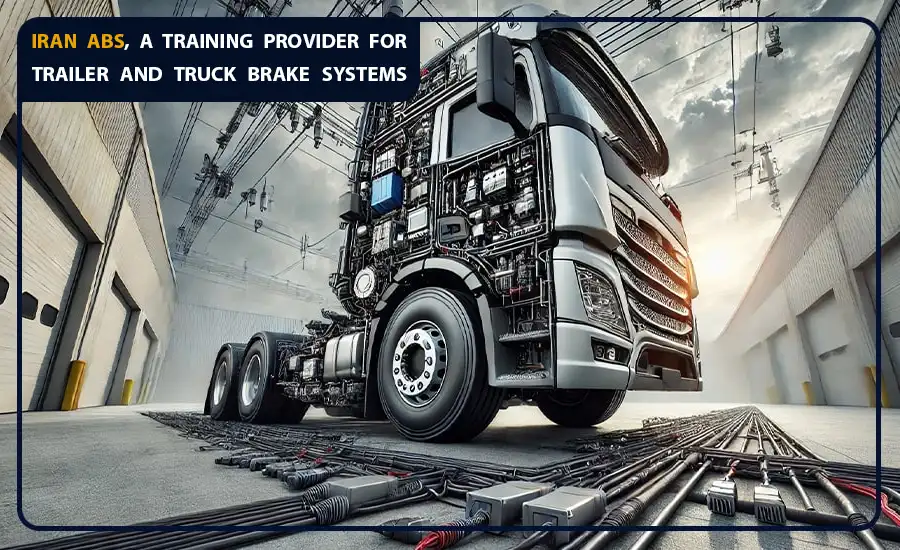
For the best services and expert consultation in troubleshooting, Iran ABS, with its expertise and experience in heavy vehicle systems, is your trusted partner.
1. Fundamentals of Troubleshooting
Troubleshooting is the process of identifying and analyzing the root causes of problems in various vehicle systems. This process is crucial not only for diagnosing current issues but also for preventing future failures. Timely detection of faults can lower repair costs and ensure the safety of both the driver and cargo.
Benefits of Proper Troubleshooting:
Prevents major breakdowns
Extends vehicle lifespan
Reduces repair and maintenance costs
Enhances driving safety
2. Essential Diagnostic Tools
To effectively diagnose electrical and mechanical issues in heavy vehicles, using the right specialized tools is crucial. Some fundamental tools include:
Multimeter – Measures voltage, current, and resistance in electrical systems
OBD-II Scanner – Detects error codes and issues related to the ECU (Electronic Control Unit)
Mechanical Diagnostic Tools – Such as gearbox testers, suspension inspection tools, and engine analyzers
3. Initial Steps in Problem Diagnosis
The troubleshooting process begins with observing initial signs of malfunction. A technician should carefully examine visual indicators and unusual vehicle performance.
Common Signs of Vehicle Malfunction:
Unusual Noises – Squealing, knocking, or grinding sounds from the brakes or engine
Dashboard Warnings – Error indicators on the vehicle’s digital display
Irregular Performance – Loss of engine power or delayed acceleration
Timely detection and professional diagnosis of these issues ensure efficient vehicle performance and long-term reliability.
4. Training in Electrical System Troubleshooting
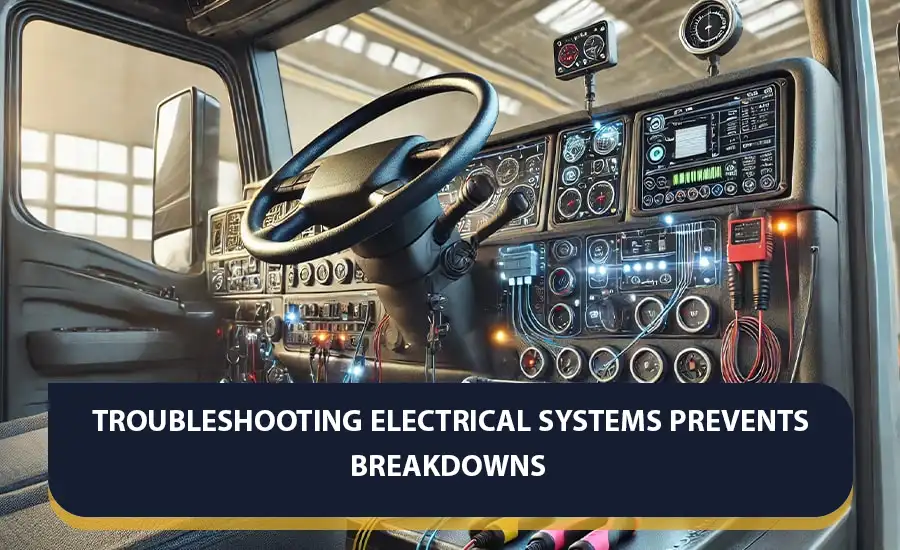
The electrical systems of heavy vehicles include complex components such as the battery, alternator, wiring, and fuses. Proper troubleshooting of these elements can prevent major failures and ensure smooth vehicle operation.
Key Components of the Electrical System:
Battery – The primary energy source of the vehicle
Alternator – Charges the battery and provides power while driving
Wiring – Transfers electrical current between components
Fuses & Relays – Protect circuits from overloading
Advanced Methods for Electrical System Diagnosis:
Using advanced scanners to detect ECU errors
Examining wiring diagrams to locate short circuits
Measuring alternator and battery voltage with a multimeter
5. Training in Mechanical System Troubleshooting
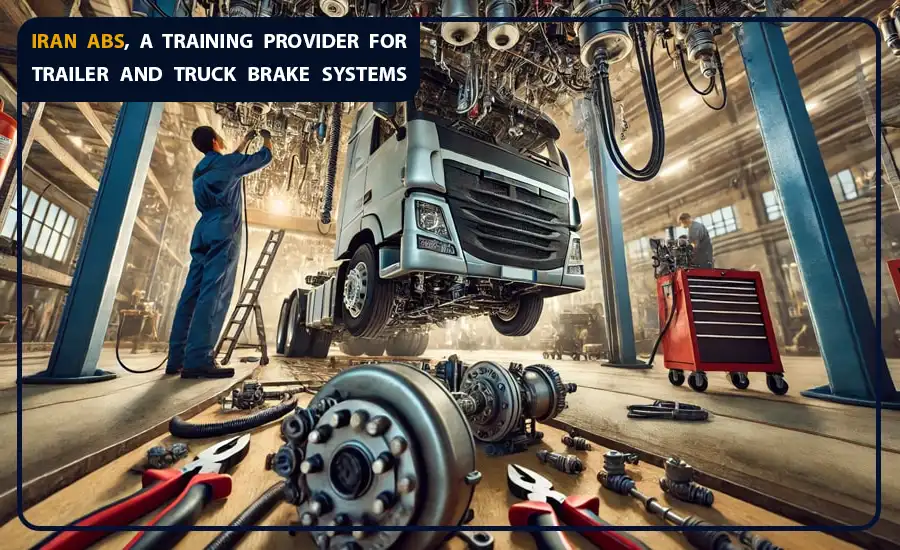
The mechanical systems of heavy vehicles consist of essential components such as the engine, transmission, suspension, and brakes. Any malfunction in these parts can lead to serious operational issues.
Key Components of the Mechanical System:
Engine – Generates the vehicle’s driving force
Transmission (Gearbox) – Transfers power from the engine to the wheels
Suspension System – Reduces vibrations and improves ride comfort
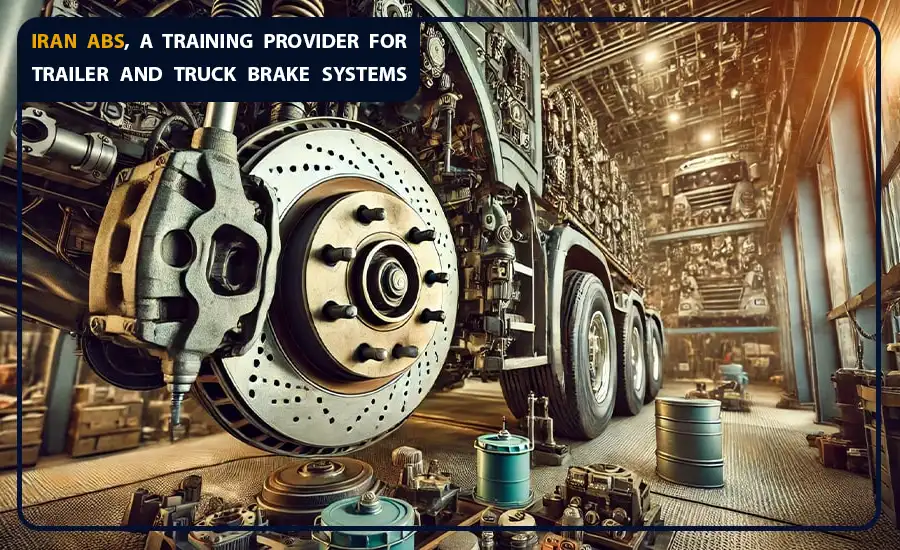
Brakes – Slow down and stop the vehicle safely
Advanced Methods for Mechanical System Diagnosis:
Using vibration and noise analysis tools for fault detection
Analyzing engine and transmission oil to identify wear and tear in components
Checking mechanical system error codes with digital diagnostic equipment
Proper training in troubleshooting ensures enhanced vehicle performance, reduces repair costs, and prevents unexpected breakdowns.
6. Introduction to Advanced Tools and Technologies
Modern diagnostic tools play a crucial role in the quick and accurate detection of vehicle issues. Some of the most effective tools include:
Digital Diagnostic Tools:
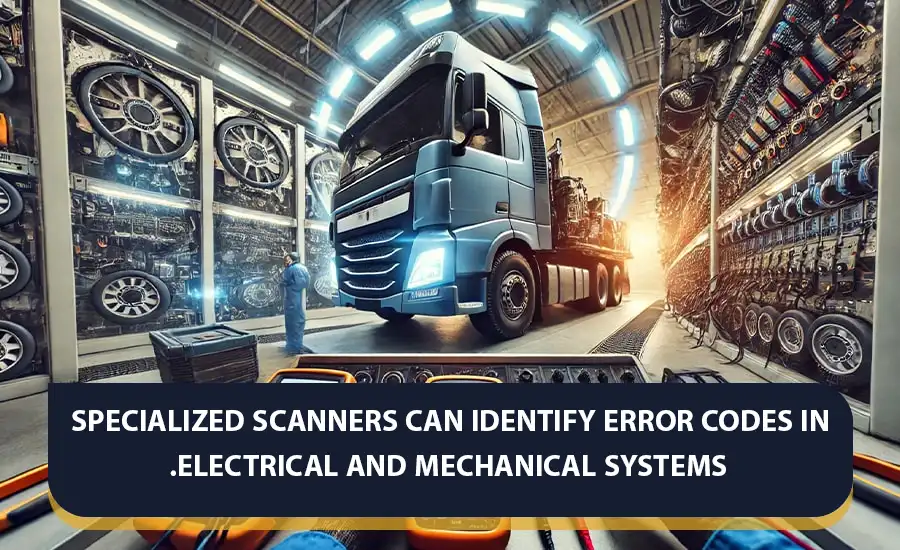
Specialized Scanners – Detect error codes in electrical and mechanical systems
Digital Multimeters – Measure voltage and current with high precision
Oil Analysis Devices – Identify contaminants and internal component wear
New Technologies:
Vehicle Monitoring Systems (Telematics) – Real-time monitoring of vehicle status
Smart Diagnostic Software – Analyzes data and provides repair recommendations
7. Safety Guidelines and Essential Skills
Troubleshooting electrical and mechanical systems in heavy vehicles requires strict safety precautions and specialized skills.
Safety Precautions:
Use Personal Protective Equipment (PPE) such as gloves and safety glasses
Follow safety standards when working with electrical and mechanical systems
Essential Skills:
Ability to read technical diagrams and understand vehicle systems
Proficiency in using advanced tools such as scanners and multimeters
Final Thoughts
In this article from the Iran ABS blog, we highlighted the importance of troubleshooting heavy vehicle electrical and mechanical systems and explored the methods and tools required for accurate and efficient diagnosis. As discussed, proper troubleshooting not only prevents major failures but also extends vehicle lifespan and reduces maintenance costs.